Value for Value ⚡️
Episode Summary
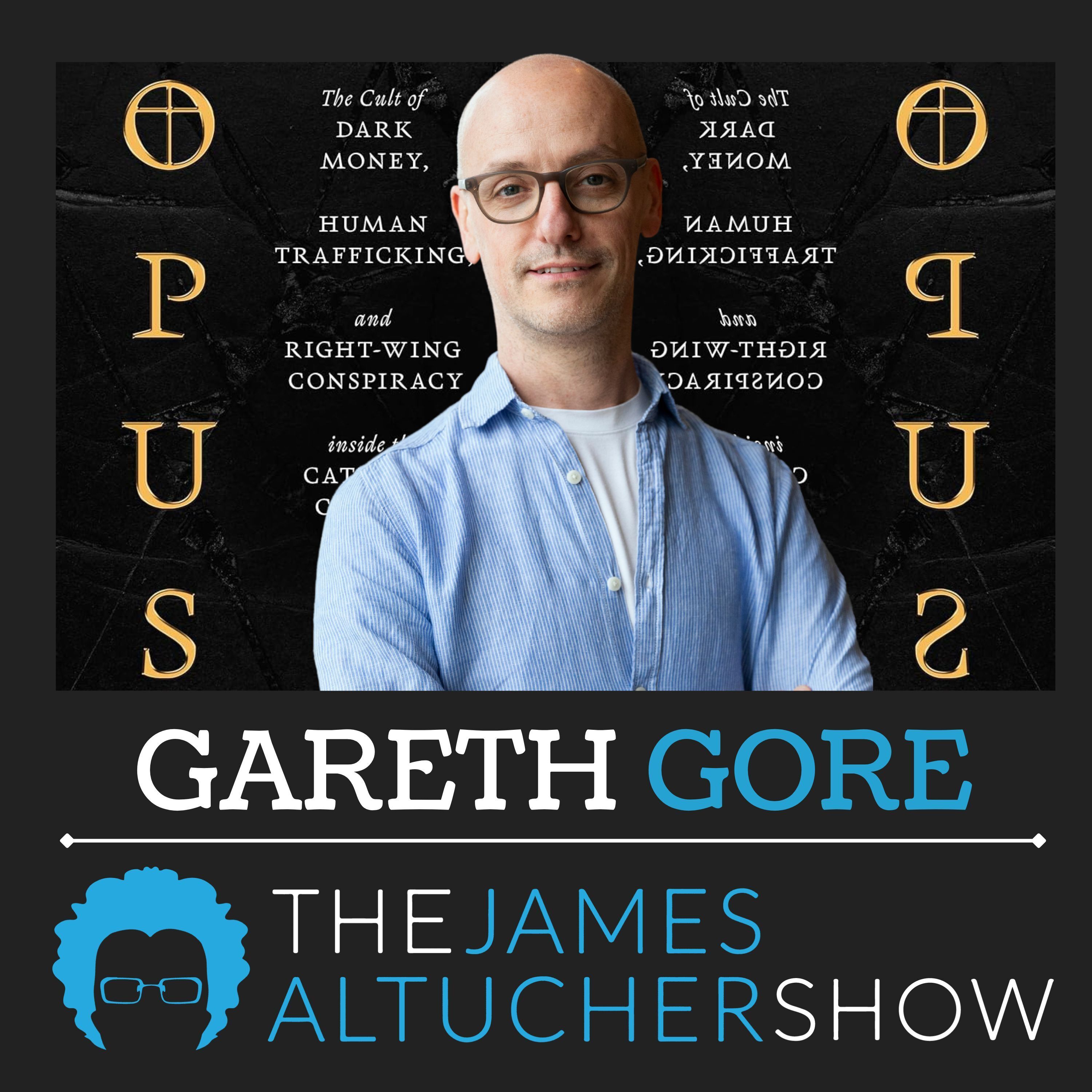
A Note from James:Have you ever read The Da Vinci Code?That book was definitely a page-turner. Before I read it, I had never really heard of Opus Dei. And after today’s conversation with Gareth Gore, you might wish you had never heard of Opus Dei either.In The Da Vinci Code, Opus Dei is a mysterious organization tied to the Catholic Church, secret history, and global power. But today’s guest, Gareth Gore, started investigating Opus Dei from a completely different angle. He was looking into the 2017 collapse of a major Spanish bank. He found something much bigger: a secretive organization with connections to global finance, politics, elite schools, the FBI, and even the highest levels of power in Washington, D.C.His book is Opus: The Cult of Dark Money, Human Trafficking, and Right-Wing Conspiracy inside the Catholic Church. And what he found is disturbing. Officially, Opus Dei promotes holiness in everyday life. And honestly, I like parts of that idea. But Gareth argues that behind the public message is a high-control organization built on secrecy, manipulation, financial opacity, and alleged abuse.We talk about how Opus Dei recruits from both the ultra-wealthy and the desperately poor, the strange ownership structures tied to hundreds of millions of dollars, the Robert Hanssen spy scandal, alleged influence in Washington, and Gareth’s recent private meeting with Pope Leo, where he says he gave the Pope a dossier calling for serious action.This is an eye-opening story. Here’s Gareth Gore.Episode Description:James talks with investigative journalist Gareth Gore about Opus Dei, the secretive Catholic organization at the center of Gareth’s book Opus. What started as Gareth’s investigation into the collapse of Banco Popular in Spain led him into a much larger story about money, power, religious authority, alleged exploitation, and the ways an institution can hide behind noble language while pursuing a much harder political and financial agenda.Gareth explains that Opus Dei officially presents itself as a Catholic movement dedicated to helping ordinary people find holiness through daily work. But his argument is that the public message conceals a high-control system built around recruitment, secrecy, spiritual pressure, and influence inside elite institutions. He describes Opus Dei as both an official part of the Catholic Church and, in his view, an abusive cult. Opus Dei strongly disputes Gareth’s book, calling it a false picture based on distorted facts and conspiracy theories.The conversation moves from Opus Dei’s founding in Spain in 1928 to its special status as a personal prelature, its alleged links to Banco Popular, its recruitment practices, the Robert Hanssen spy scandal, elite schools, Washington power networks, and Gareth’s recent meeting with Pope Leo. The episode is useful because it does not treat Opus Dei as just a conspiracy theory symbol from The Da Vinci Code. It asks a more direct question: what happens when a religious organization accumulates money, secrecy, political influence, and moral authority at the same time?What You’ll Learn:What Opus Dei officially is, and why its status as a personal prelature matters.How Gareth Gore went from investigating a Spanish bank collapse to writing a book about Opus Dei.Why Gareth argues that Opus Dei’s public message differs sharply from its internal practices.How Banco Popular allegedly became a financial engine for Opus Dei-linked projects.Why Gareth compares aspects of Opus Dei to a high-control cult.What Gareth says happened in the Robert Hanssen spy scandal.Why the alleged recruitment of minors and underprivileged girls has become one of the most serious issues around the organization.