Value for Value ⚡️
Doing a Show Sick
Episode Summary
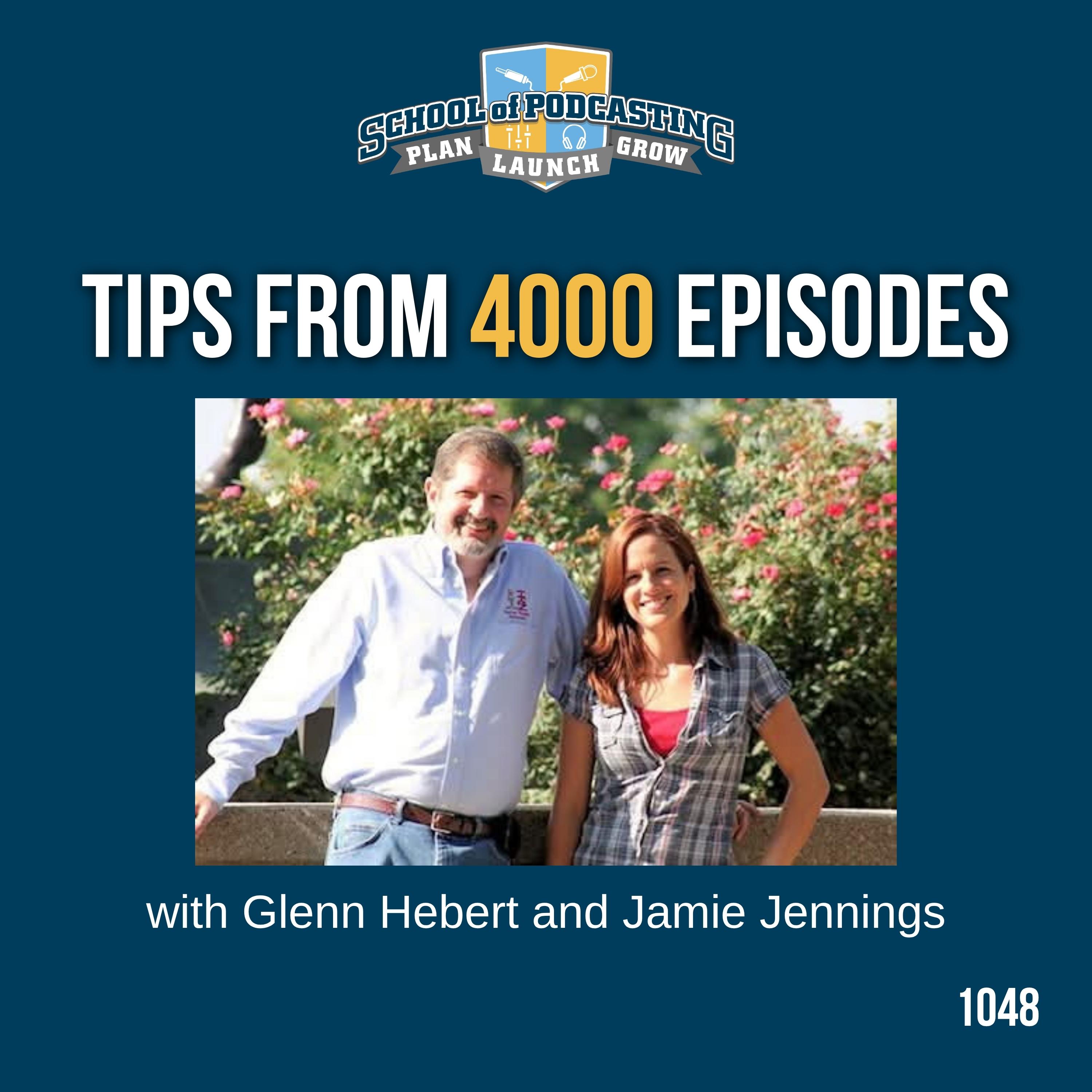
How Do You Hit 4000 Episodes Without Losing Your Mind?Today I'm talking with Glenn Hebert and Jamie Jennings from Horses in the Morning, the flagship show of the Horse Radio Network. They just crossed 4000 episodes, and since they're doing this daily, I had a ton of questions for them. Mainly: how do you keep your sanity?Glenn has been on this show more times than any other guest, and I'll drop links to a few of those past conversations below. We also talk about how "Glenn the Geek" became a verb around here. I cut in a few times throughout the episode to riff on some of what we discussed, so stick around for that too.Key TakeawaysSegments (not just guests) are what let a daily or frequent show survive without constantly reinventing the wheel.A real community needs a place to talk to each other, not just a place to listen to you.Feedback from your most invested listeners (not just anyone) should shape what you keep and what you cut.You're making the show for the 80% who like it, not the 20% who don't.If you're trying to make money at this, budget 10-12 hours of work for every hour that airs.How Glenn and Jamie Keep Finding Something to Talk AboutJamie's husband asked her, before episode one, what she was even going to talk about after two weeks of a horse podcast. Sixteen years and 4000 episodes later, that question still makes her laugh. Glenn books guests only a week or two out, and most of the show's four or five segments per episode get planned the morning of. Being daily is actually their advantage: they can be timely in a way most podcasts can't.Glenn admitted he basically is the show-prep service. Google Alerts and AI help him find stories faster than they used to, but the instinct for what's worth talking about still comes down to two to three hours of prep every single morning.Segments Give You Somewhere to Put Your EnergyJamie is the storyteller. Glenn plays the guy reacting to it. He described their pre-show routine: Jamie says she's got a two-to-five-minute story, and he already knows it's going to stretch to twenty minutes and he'll happily let it. That contrast, he said, is what makes the show work.I've got segments on this show too (if you've got a favorite segment idea, feel free to send it in). One of mine is built entirely out of "this happened because I have a podcast." I used to do a "last five in five" segment where I'd share the last five things I listened to in under five minutes. Segments are useful because they don't all have to show up in every episode. When I don't have a big topic, I create a "podcast stew," a handful of small segments squeezed together. Takes the pressure off having to fill a big block of time. An episode just needs to be as long as it needs to be, and not a minute more.Building a Community That Actually Talks to Each OtherGlenn says their community basically built itself once Patreon entered the picture around nine or ten years ago. One of their own listeners asked if she could start a private Facebook group for supporters, and it's grown into 30+ subgroups on everything from dogs to mental health, plus in-person meetups they run themselves.Glenn's take, and I completely agree: the biggest mistake podcasters make when they say they want "community" is giving people no actual place to talk to each other. A community needs a room. You don't have a true community until they can talk to each other.They get supporters directly involved too, birthdays shouted out on air, segment materi