Episode Summary
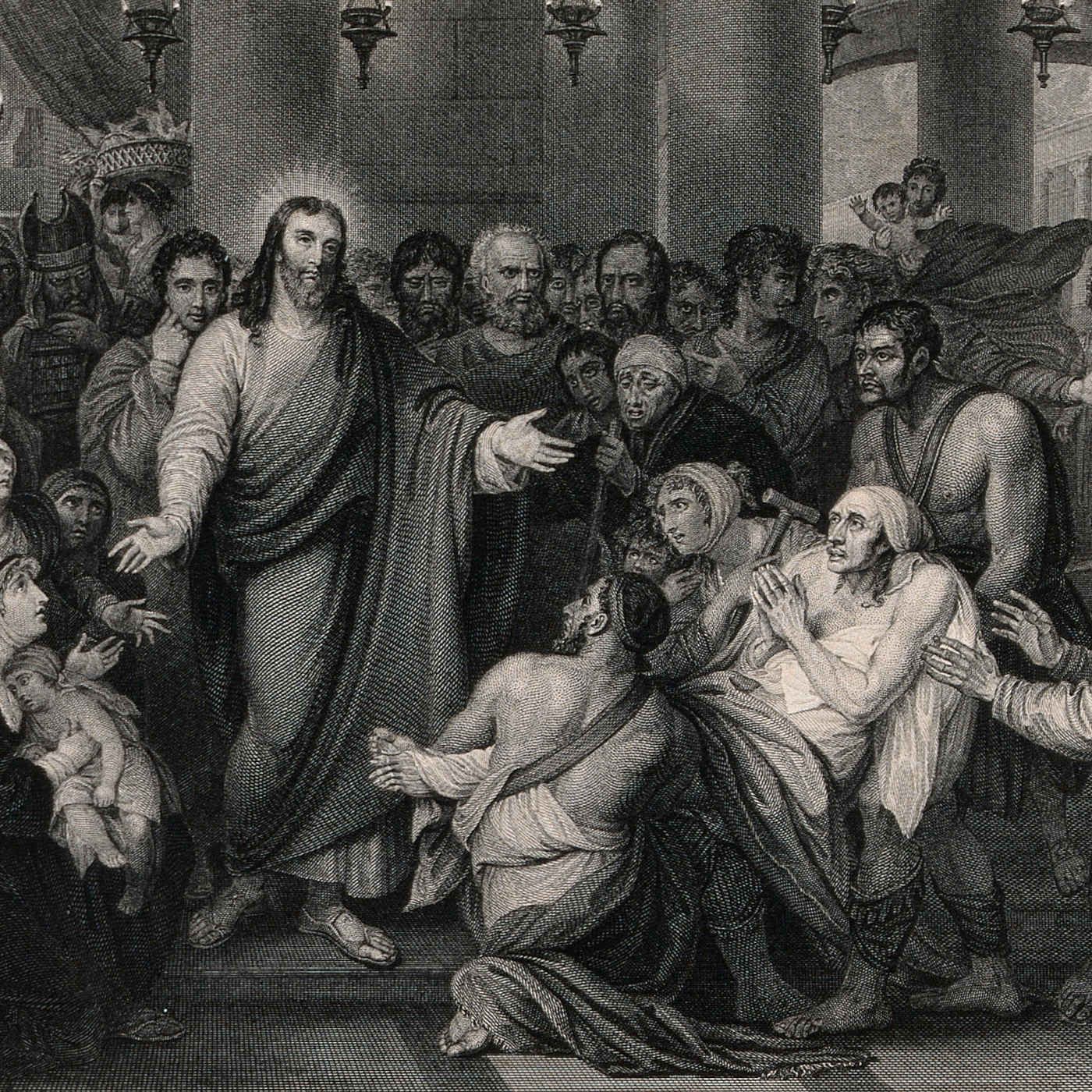
Read OnlineSome in the crowd who heard these words of Jesus said, “This is truly the Prophet.” Others said, “This is the Christ.” But others said, “The Christ will not come from Galilee, will he? Does not Scripture say that the Christ will be of David's family and come from Bethlehem, the village where David lived?” So a division occurred in the crowd because of him. John 7:40–43Today’s Gospel takes place on the last and greatest day of the Feast of Tabernacles, also known as the Feast of Booths. This annual celebration was one of three major feasts when many Jews made a pilgrimage to the Temple. For seven days, they lived in temporary shelters—booths—as a reminder of God’s providence and protection during their forty years of wandering in the wilderness. It was also a time to give thanks for the year’s harvest, recognizing God’s ongoing provision.The eighth day, following the seven days of Sukkot, was known as Shemini Atzeret, a solemn assembly focused on prayers, especially for rain for the coming year’s crops—another acknowledgment of dependence on God. It was likely during this festival that “Jesus stood up and exclaimed, ‘Let anyone who thirsts come to me and drink’” (John 7:37). That exclamation comes just prior to today’s Gospel, which shows the varied responses of the people who heard Jesus’ words.The context of the Feast of Tabernacles and its religious meaning are crucial to understanding the significance of Jesus’ declaration. One of the central rituals of Sukkot was the daily water-drawing ceremony in which water from the Pool of Siloam was carried to the Temple and poured out before the altar. This act symbolized thanksgiving for God’s provision of water during the Israelites’ time in the wilderness and a prayer for rain for the crops. It also evoked messianic hope, recalling prophetic visions of spiritual renewal when living water would flow from the Temple: “I saw water flowing out from under the threshold of the temple” (cf. Ezekiel 47:1–12) and “fresh water will flow from Jerusalem” (Zechariah 14:8).By this time, many scribes, Pharisees, and religious leaders were already plotting against Jesus. They condemned Him for performing miracles on the Sabbath, speaking with divine authority, and making claims that suggested equality with God. There was much speculation about whether Jesus would attend the festival, and He did, initially in secret (John 7:10). By the middle of the feast, He appeared publicly in the Temple, boldly preaching and teaching. On the final day, He identified Himself as the source of the living water that would quench the spiritual thirst of God’s people, fulfilling the ancient prophecies. This caused an uproar, leading to divided reactions.Some believed He was “the Prophet” or “the Christ.” Others doubted, knowing Jesus was from Nazareth, and the Messiah was expected to come from Bethlehem. This shows that many were unaware that Jesus was born in Bethlehem and was a descendant of David’s line.This Feast of Tabernacles occurred about six months before the Feast of Passover, when Jesus would be arrested and crucified. In the intervening months, the controversy surrounding Him deepened as the religious leaders continued plotting, while Jesus performed more miracles and delivered urgent teachings about the need to believe in Him as the Messiah. In some ways, the Feast of Tabernacles marked the beginning of the end.Reflect today on the controversy Jesus sparked at the Feast of Tabernacles. Each of us must choose a side. There is no room for middle ground. Either Jesus is the Messiah, and we must follow Him wholeheartedly, or He is not. There is no place for complacency or mediocrity. Jesus is the Living Water, the one and only source of divine provi