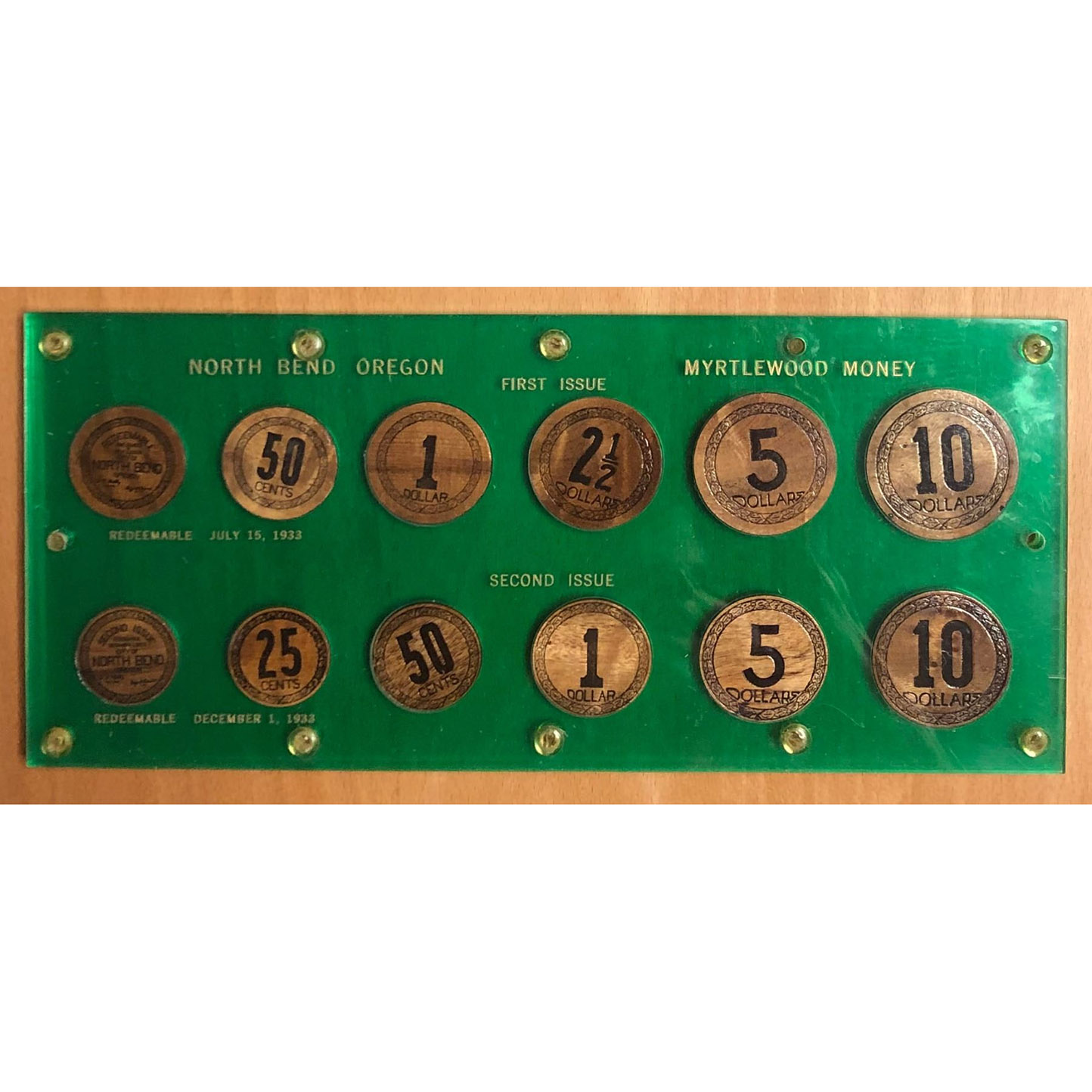
Episode Summary
IN EARLY FEBRUARY of 1933, the mayor and city council of North Bend had a big problem on their hands. It was, of course, the depths of the Great Depression — possibly the deepest of the depths. Former Oregonian President Herbert Hoover was still in office, but it was the interregnum — he’d been voted out of office three months earlier, so he was the lamest of lame ducks. All across the country, confidence in institutions like banks was at an all-time low. Every American with money in a bank account was at least a little worried about the bank just disappearing in the night with their money. Increasingly, they were going down to the local branch like in the Bailey Brothers Building and Loan scene from It’s a Wonderful Life, and demanding their cash. Nationwide, the banks just didn’t have the liquidity to come across for every nervous depositor — so they started closing and collapsing. One of the banks that closed and almost collapsed was the only bank in North Bend, the First National Bank. It wasn’t insolvent, but it soon would have been if it had kept its doors open; so its directors locked up, promising they’d reopen soon after they’d figured out how (or if) they could make everybody whole. For every business or government agency in North Bend, this meant making payroll would be a tough trick. So, early in March — about the time President Roosevelt was inaugurated and proclaimed a nationwide “bank holiday” to stem the flood — Mayor Edgar McDaniel and local businessman Irvin Ross came up with a plan: They’d mint their own currency. (For text and pictures, see https://offbeatoregon.com/2508b.1008e.myrtlewood-money-north-bend-705.086.html)