Episode Summary
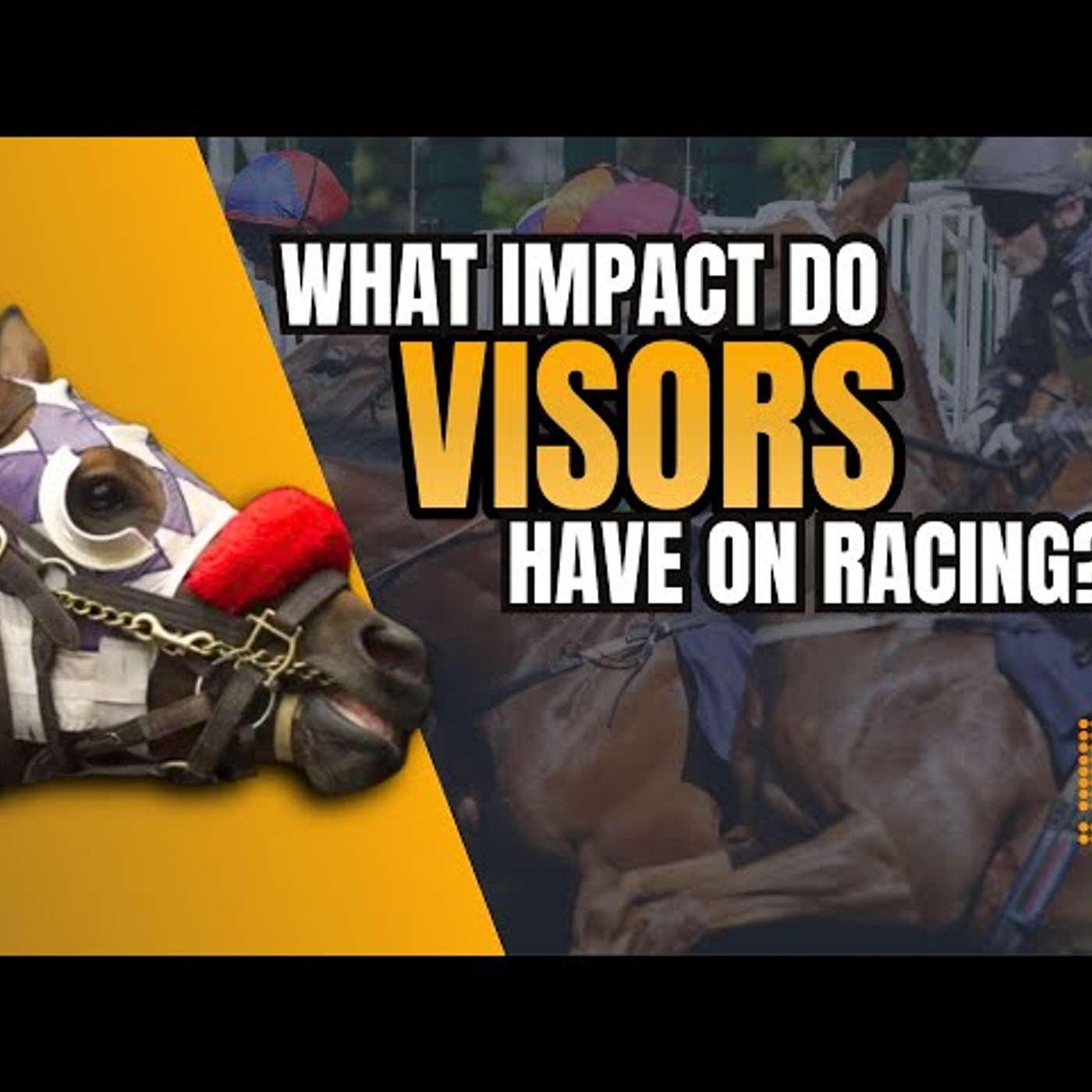
James Dooley and Joe Norris dig into one of the most misunderstood headgear angles in racing: the first-time visor. They explore when its application signals hidden intent and when it simply exposes a horse that has lost its way because punters need to know whether the change is meaningful or misleading.Joe explains why he likes the angle only in specific situations, particularly when a horse is out of form, sliding down the handicap and the trainer reaches for a visor to sharpen it up. He frames it as a starting point rather than an automatic bet because context matters more than the symbol printed in the racecard.James adds that a visor can wake a horse up and make it more alert, yet the very need for headgear also hints the trainer is searching for answers. He still treats it as a positive when the horse is on a workable mark and the change looks intentional rather than desperate, because that combination often signals improvement.Together they discuss trainer-by-trainer strike rates, how different yards use equipment changes to spark form, and why stats should always shape confidence levels. They compare visors with blinkers, wind-ops and other first-time aids because serious punters must separate genuine upgrades from noise.A practical, data-driven conversation designed to help listeners judge headgear changes with more accuracy, more confidence and far better value at the betting window.