Episode Summary
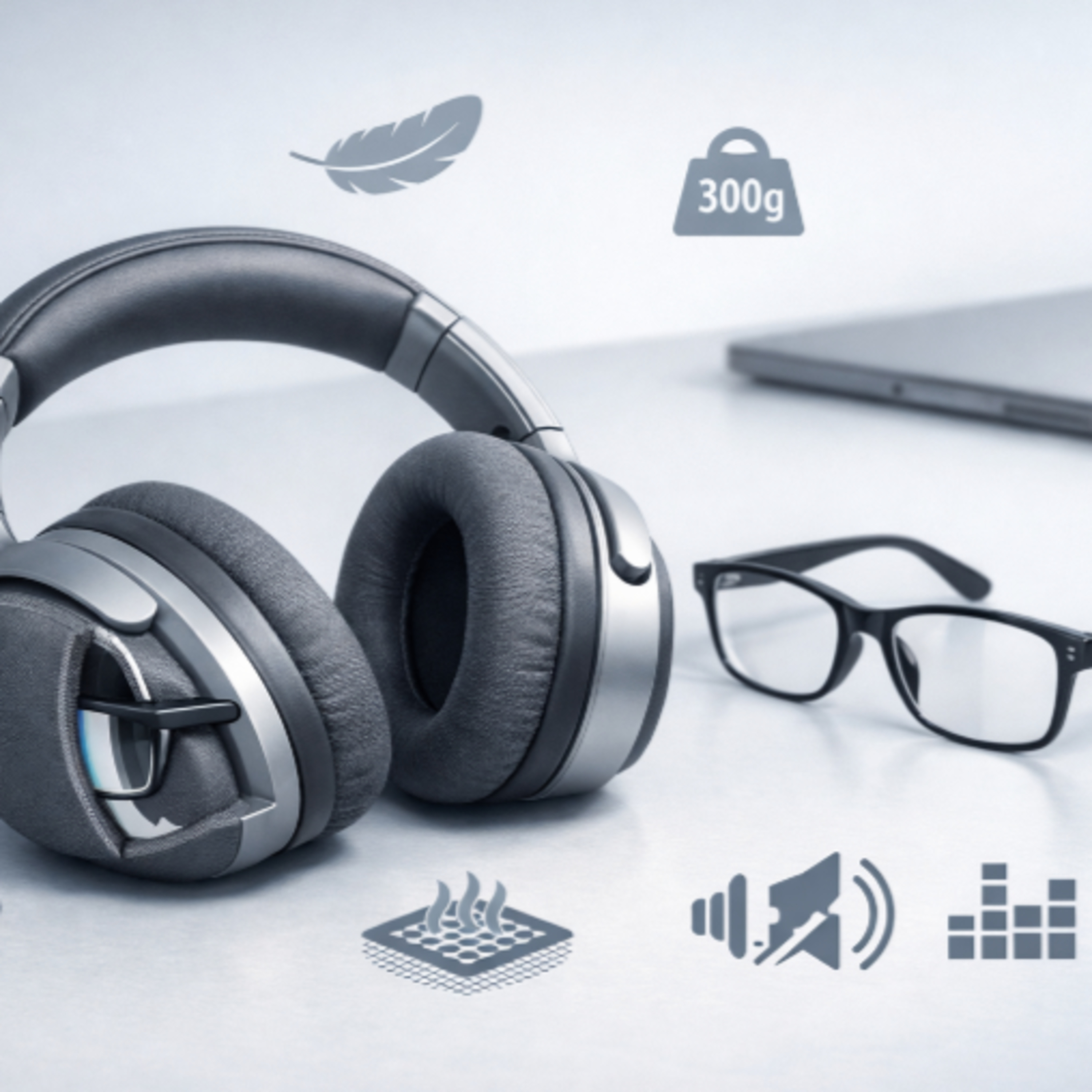
Discovering over ear headphones that remain comfortable while wearing eyeglasses can feel more challenging than it should be. Many great over ear headphones sound excellent but quickly turn into a pressure headache once the ear cups push against your frames. I have tested dozens of models over the years, and since I wear glasses every day, comfort is not a luxury here. It is a requirement.This guide prioritizes sound quality, comfort, and practical everyday use for people who wear glasses. If you have ever searched for headphones you can wear for hours without the sides of your head aching, this guide is written for you.Why Over Ear Headphones Are Better for Glass WearersOver ear headphones sit around the ear rather than directly on it. This design distributes pressure more evenly around the ears and head, which is especially important for people who wear glasses. On ear headphones usually press directly on the ear and force glasses frames into the skin. In ear earbuds avoid this issue but cannot match the comfort and soundstage of a good over ear design.The best over ear headphones for glasses wearers focus on soft padding, large ear cups, and balanced clamping force. These factors matter more than brand names or marketing claims.Key Comfort Factors to ConsiderEar Cup Padding and MaterialFor glasses wearers, memory foam ear pads are the most important feature. Quality foam molds around the arms of your glasses instead of pressing them into your head. Leatherette and protein leather feel soft but can trap heat during long sessions. Velour and fabric pads breathe better and often reduce pressure on glasses frames.In my experience, headphones with shallow ear cups become uncomfortable within 30 minutes. Deeper ear cups keep your ears and glasses from touching the internal drivers.Clamping Force and Headband DesignStrong clamping force can improve sound isolation but often causes discomfort for people who wear glasses. The best designs strike a balance between a secure seal and long term comfort. Well padded headbands and smooth adjustment help distribute weight evenly across the top of the head.Headphone weight matters more than many people expect. Anything heavier than 300 grams can start to feel tiring during long work or study sessions, especially when worn with glasses.Weight Distribution and Build QualityMetal frames may feel premium but usually add extra weight. High quality plastic builds often provide better comfort over long periods. Durability matters, but so does how the headphone rests on your head hour after hour.Sound Quality Still MattersComfort should not come at the expense of sound quality. The best over ear headphones for glasses wearers deliver both comfort and balanced audio. A neutral or slightly warm sound profile is ideal. Extremely boosted bass often requires a tighter seal, which can increase pressure on glasses frames.Over ear headphones also provide a wider soundstage, making them excellent for music, movies, online learning, and gaming. If you listen for long periods, sound fatigue can be just as real as physical discomfort.Upgrades for Your Existing HeadphonesIf you already own over ear headphones, swapping to thicker or softer ear pads can make a noticeable difference. Slightly loosening the headband and taking short breaks can also reduce pressure buildup.These small adjustments can turn an uncomfortable pair into one you can wear all day.Closing Thoughts on the Best Over Ear HeadphonesComfort for glasses wearers is not subjective. It can be measured through pressure points, heat buildup, and long term wearability. The