Episode Summary
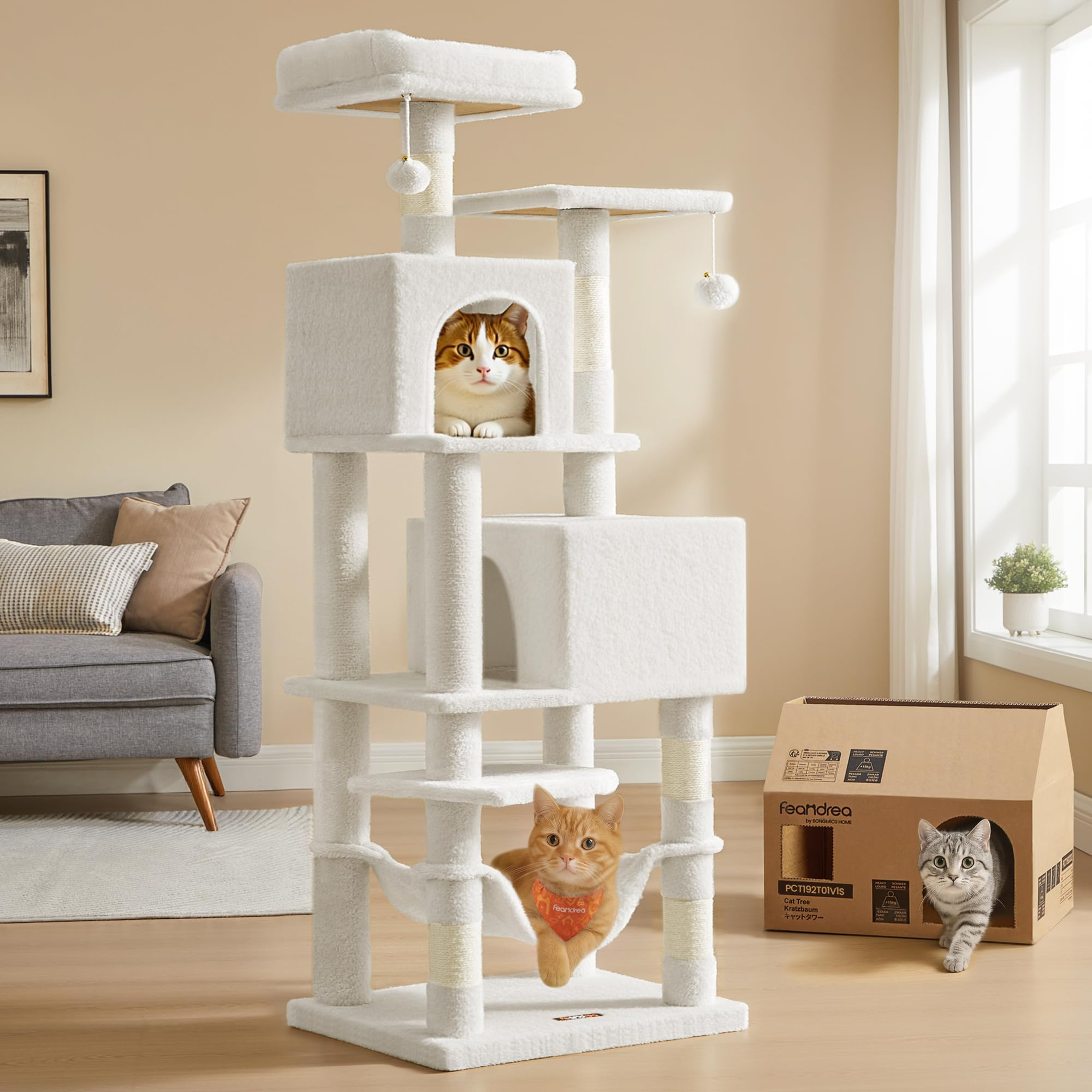
Every cat owner wants the best for their pet. Whether you’ve adopted a playful kitten or a seasoned lap cat, providing the right environment at home helps keep them happy, healthy, and out of trouble. One essential piece of equipment that often gets overlooked is the humble cat tree.In this guide, we’ll explore why a cat tree for indoor cats is more than just a fun accessory, how it benefits your cat’s physical and mental health, and how to choose the right one for your home. We’ll also take a closer look at quality options from KtKitty and why their indoor cat trees stand out from the competition.Why Indoor Cats Need a Cat TreeThey’re Natural ClimbersCats are instinctive climbers. In the wild, they scale trees and high vantage points to survey their territory, escape predators, and hunt. Even indoor cats retain that instinct. Without vertical space to climb, cats may become bored, frustrated, or show destructive behaviors like scratching furniture or walls.A cat tree for indoor cats gives them that vertical freedom. It mimics tree trunks and branches, satisfying their natural urges.Exercise Without the OutdoorsIndoor cats often lead more sedentary lives than their outdoor counterparts. A cat tree adds levels, platforms, and space to jump, run, and climb, helping maintain a healthy weight and strong muscles.Regular physical activity through climbing and jumping can reduce the risk of obesity, joint problems, and stress. It’s a simple way to add exercise to their daily routine without needing a backyard or outdoor access.Mental Stimulation and ConfidenceCats need mental challenges. A multi-level cat tree with cubbies, posts, and hideouts keeps them engaged. Climbing challenges their minds and bodies. Perching on high platforms gives them a sense of security and control over their environment.This matters more than most people realize. Cats with mental stimulation display fewer anxiety behaviors, sleep better, and form stronger bonds with their owners.What to Look for in a Cat TreeNot all cat trees are created equal. When shopping for the best indoor cat tree, consider these key factors.Height and LevelsCats love heights. Taller cat trees give them more opportunities to climb and observe. Look for trees with at least three levels. Large cats or multi-cat households may benefit from extra height and stability.Cats often choose the highest spot in a room to rest. A tall, sturdy tree satisfies this preference.Sturdiness and Build QualityA flimsy tree that wobbles can actually stress your cat and discourage use. Seek models with solid bases and quality materials. Wood or engineered wood frames are more durable than thin PVC or particle board.Quality sisal rope around posts offers better durability and scratch appeal compared to carpet alone.Scratch SurfacesScratching is a cat’s natural behavior. It keeps their claws healthy and lets them mark territory. A good cat tree includes different scratch surfaces like sisal and carpet.Varied textures keep cats interested longer. This also helps protect your furniture.Hideouts and PerchesCats enjoy a mix of private and open spaces. Hideouts offer a retreat for napping or solo time. Perches give them the elevated view they crave. A cat tree with both features supports your cat’s full range of instincts.Size and SpaceMeasure your available space before buying. Big cat trees are great for activity but require room. Smaller trees or modular setups work well for apartments or cozy corners.Balance y