Value for Value ⚡️
Sammanfattning
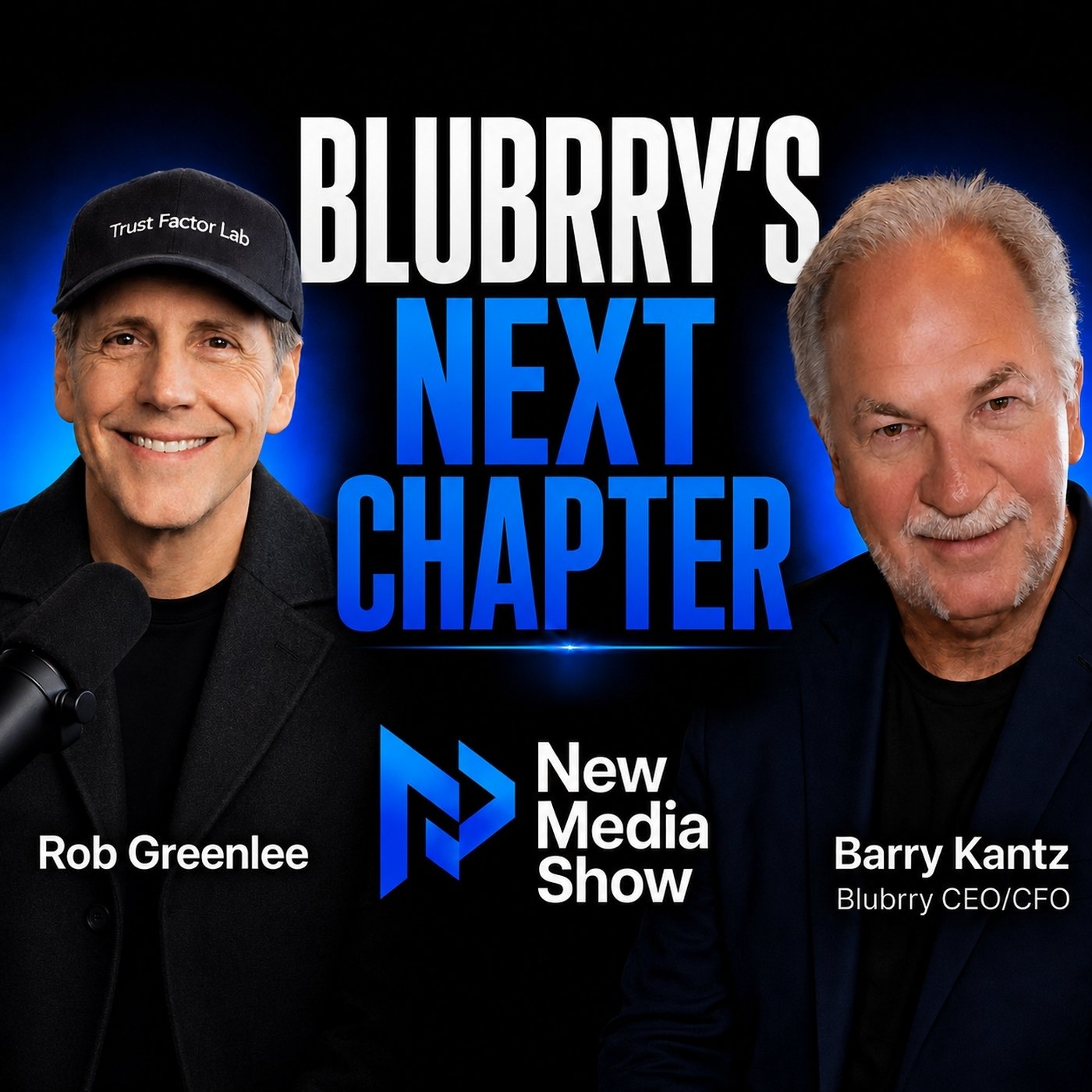
In Episode 678 of the New Media Show, host and Podcast Hall of Famer Rob Greenlee welcomes Barry Kantz, CEO and CFO of Blubrry Podcasting, for a candid conversation about Blubrry’s leadership transition, the legacy of (RIP) former CEO Todd Cochrane, independent podcasting, video, artificial intelligence, monetization, measurement, human support, and the changing podcast-hosting market. For more than 20 years, Blubrry and its parent company, RawVoice, have helped build and support the open podcast ecosystem. The sudden passing of Blubrry founder and longtime New Media Show co-host Todd Cochrane forced the company, its team, and Todd’s family to navigate an unexpected personal and business transition. Barry explains how Blubrry responded, how leadership responsibilities shifted, and how his management approach differs from Todd’s hard-charging entrepreneurial style. Barry is bringing a more data-driven and systems-focused approach while trusting Blubrry’s experienced remote team to carry the company forward. The conversation also examines how podcasting itself is changing. Audio remains central to the medium, but video has become part of how audiences define and experience podcasts. Rob and Barry discuss YouTube discovery, the overlap between watching and listening, short-form clips, RSS distribution, Apple’s HLS video support, alternative enclosures, Podcasting 2.0, and Blubrry’s Vid2Pod tool for turning YouTube videos into audio podcast episodes. Barry also shares an update on Blubrry’s HLS video development and discusses the company’s new lower-priced starter plan introduced around the time of the recording. Artificial intelligence is another major part of Blubrry’s next chapter. Barry explains how he uses Claude as a daily assistant for analytics, automation, research, and company operations. Barry sees AI as a way to make podcast creation and management easier, especially for creators who may not have extensive technical experience. At the same time, Blubrry’s larger goal is to use technology to support human expression rather than replace the human connection that gives podcasting its value. Rob and Barry discuss low-effort AI-generated content, synthetic media, voice cloning, the limitations of automated clipping tools, and the growing need to distinguish human-hosted shows from fully automated productions. The discussion then moves into monetization and the opportunities still available to independent creators. Barry argues that smaller shows can create meaningful business value when they serve a clearly defined audience and develop strong relationships with listeners. Creators do not necessarily need millions of downloads. A focused show with several hundred deeply engaged listeners can provide valuable access to a professional, geographic, or